


Exploring the future of casino design top architectural trends to watch
Emphasis on Sustainability
As the world becomes more conscious of environmental issues, sustainability has taken center stage in casino design. Architects are integrating eco-friendly materials and energy-efficient technologies to create greener spaces. This includes everything from solar panels and rainwater harvesting systems to using recycled materials in construction. These practices not only reduce the carbon footprint of casinos but also resonate with a growing demographic of eco-conscious players.
The incorporation of natural elements into casino designs is another trend gaining traction. Features such as living walls, water features, and indoor gardens not only enhance the aesthetic appeal but also promote a calming atmosphere for guests. This shift toward integrating nature into built environments reflects a broader trend in architecture that prioritizes mental well-being and community connection, making casinos feel less like traditional gambling venues and more like integrated entertainment complexes.
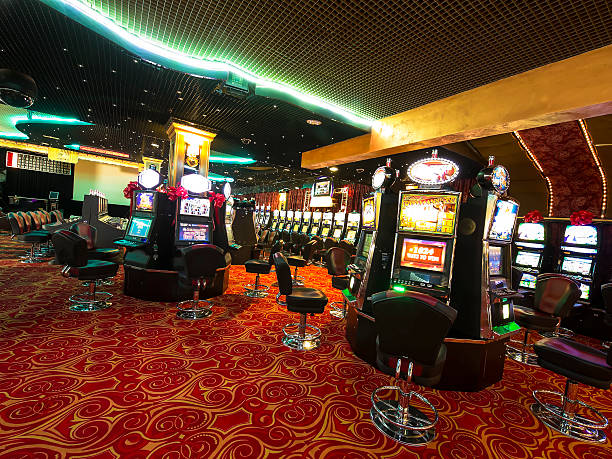
Moreover, casinos are looking to implement innovative waste management systems. These systems aim to minimize waste through recycling and composting initiatives, aligning the casino industry with global sustainability goals. As more casinos adopt these measures, they not only help the environment but also appeal to the values of a new generation of players who prioritize sustainability in their choices.
Technology Integration
Technology is revolutionizing casino design in numerous ways, from enhancing customer experiences to streamlining operations. Smart technologies such as touchless payment systems and mobile applications allow players to engage with their environment in a more seamless manner. These innovations create an interactive atmosphere that not only attracts tech-savvy customers but also provides valuable data for operators to enhance their services.
Virtual and augmented reality technologies are also beginning to play a significant role in casino architecture. These immersive experiences allow guests to engage with games and attractions in ways previously unimaginable. For instance, virtual reality zones within casinos can transport players to different worlds, making the gaming experience more engaging and memorable. As VR and AR technologies continue to evolve, we can expect to see their influence grow in casino spaces.
Additionally, the use of artificial intelligence in casino management is transforming operations behind the scenes. AI-driven systems can analyze player behaviors and preferences, enabling casinos to tailor their offerings and marketing strategies more effectively. This data-driven approach not only enhances the guest experience but also maximizes revenue potential, making technology integration a cornerstone of modern casino design.
Flexible Space Design
The traditional layout of casinos is evolving toward more flexible and multifunctional spaces. Designers are increasingly creating areas that can adapt to various events and activities, whether it’s live entertainment, dining, or gaming. This versatility allows casinos to maximize their use of space and offer guests a diverse range of experiences without the need for extensive renovations.
Moreover, the rise of mixed-use developments is influencing how casinos are designed. By integrating casinos with hotels, retail shops, and entertainment venues, architects can create a vibrant hub that appeals to a wider audience. This approach not only enhances foot traffic but also cultivates a sense of community, turning casinos into destinations rather than isolated gambling venues.
Creating flexible spaces also supports the trend of experiential gaming, where guests are not just there to gamble but also to enjoy various forms of entertainment. From art installations and pop-up shops to live performances, the design of casinos is increasingly focused on creating environments that cater to a diverse array of interests, ensuring that every visit is unique and engaging.
Luxury and Opulence Redefined
The aesthetic of casinos continues to evolve, moving toward a more understated luxury that emphasizes comfort and sophistication. Modern casinos are shifting from the ostentatious designs of the past to more refined environments that prioritize guest comfort and immersive experiences. This trend is reflected in the choice of materials, lighting, and overall ambiance, creating spaces that feel welcoming yet elegant.
Architects are increasingly focused on creating intimate spaces within the larger casino framework. High-limit gaming areas and exclusive lounges provide a sense of privacy and exclusivity for high rollers and discerning guests. This separation from the main gaming floor enhances the overall experience and caters to a clientele seeking a more tailored environment.
Additionally, the integration of high-quality dining and entertainment options within casinos is becoming a hallmark of modern designs. This not only elevates the overall experience for guests but also positions casinos as multifaceted entertainment venues. By offering a variety of gourmet dining options and world-class performances, casinos redefine luxury and opulence in a way that attracts a broader audience while also promoting longer stays and increased spending.
Innovative Online Casino Integration
As the online gaming landscape continues to expand, brick-and-mortar casinos are exploring ways to blend their physical spaces with digital offerings. This trend involves creating environments that enhance the online gaming experience while encouraging visitors to engage with in-person activities. Integrating technology into casino design allows operators to bridge the gap between the online and offline worlds, enhancing overall customer satisfaction.
For example, casinos are beginning to implement hybrid gaming options that allow players to switch seamlessly between online and physical games. This creates a more cohesive experience for users who may enjoy both platforms. Additionally, dedicated spaces for live streaming and online competitions are becoming increasingly popular, enabling casinos to attract a broader range of players who appreciate both traditional and modern gaming formats.
The future of casino design will likely see an even greater emphasis on online integration. As more players seek convenience and accessibility, casinos will need to innovate continuously to stay competitive. This could lead to the development of interactive gaming lounges where guests can enjoy a hybrid experience, reinforcing the importance of adapting to changing consumer preferences and technological advancements.